



Whether you desire a refreshed look or to correct skin imperfections, a chemical peel at the Center for Dermatology and Aesthetic Medicine may be right for you. Chemical peels are used to improve the appearance of your skin on the face, neck or hands, with various peels to choose from for only the best results.
Cosmetic Peels
Chemical peels can be a great option whether you’re looking to supplement your at-home care or to get your skin ready for a big event. We offer a selection of customized peels of all strengths to address your unique concerns, leaving you looking refreshed and glowing.
Chemical Peels
A thorough evaluation of your skin type and condition is necessary to determine which peel is best suited for your needs. Common conditions that are treated with chemical peels include melasma, acne and acne scarring, visible signs of aging, sun damage, and sagging skin. There are three ranges of chemical peels:
- Light chemical peel: A light chemical peel is the gentlest option, using a mild chemical solution, typically formulated with glycolic acid, salicylic acid, lactic acid, or another beta-hydroxy acid, to exfoliate the outermost layer of skin and address concerns such as fine wrinkles, uneven skin tone, mild sun damage, and early signs of aging.
- Medium chemical peel: A medium chemical peel penetrates deeper than superficial peels, using trichloroacetic acid (TCA) or a combination of agents to target more significant skin concerns. Medium-depth peels are particularly effective at addressing sun damage, uneven pigmentation, moderate acne scars, and acne treatment needs that haven’t responded to lighter options.
- Deep chemical peel: A deep chemical peel is the most intensive form of skin resurfacing, designed to treat significant skin concerns at a deeper level. Using a high concentration of trichloroacetic acid, phenol (carbolic acid), or formulations containing croton oil and retinoic acid, a deep peel penetrates the lower layers of skin to dramatically improve the appearance of severe acne scars, deep acne scars, deep scars, atrophic acne scars, and precancerous growths such as actinic keratosis.
TCA CROSS Therapy
TCA CROSS therapy stands for the chemical reconstruction of skin scars (CROSS) using trichloroacetic acid (TCA). This outpatient procedure involves the precise application of TCA at a high concentration directly into individual acne scars, such as ice-pick and boxcar acne scars, using a cotton-tipped applicator. The targeted chemical solution creates a controlled injury within the scar tissue, stimulating collagen fibers to remodel and gradually pushing deep scars up toward the surface for a smoother, more even appearance.
TCA CROSS is safe and effective for all skin types and tones, making it a versatile option for patients dealing with atrophic acne scars, deep acne scars, and other stubborn skin scars that have not responded to conventional acne treatment.
Request a Consultation!
What to Expect During Peels
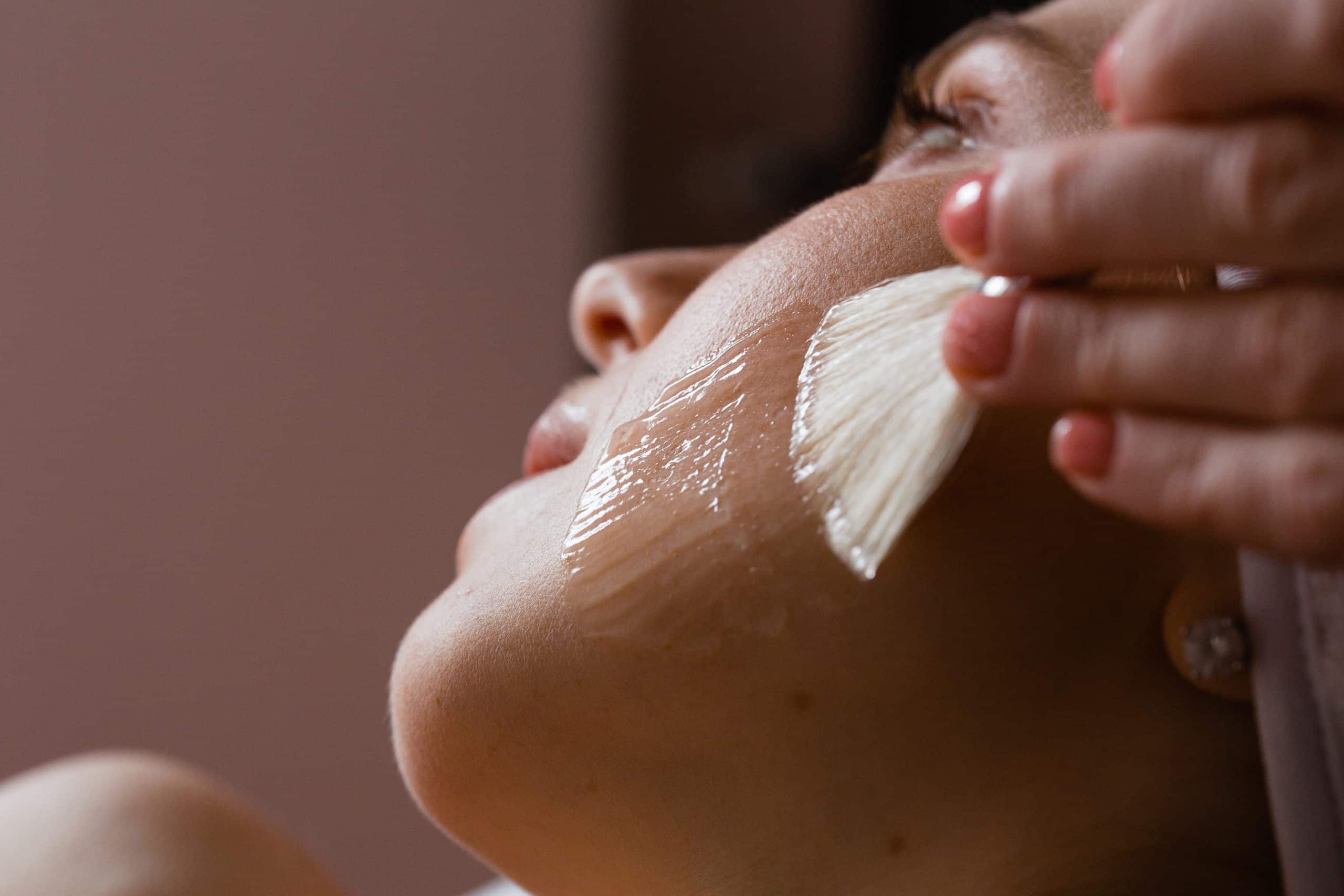
Before any treatment begins, Dr. Kalimullah or Dr. Cavanaugh will review your medical history and evaluate your skin condition to determine which peel is best suited for your skin type and concerns. If you have a history of cold sores or herpes, be sure to disclose this, as professional chemical peels can trigger an outbreak. On the day of your appointment, the treatment area will be thoroughly cleansed before your provider carefully applies the chemical solution, working methodically across the skin while protecting the surrounding skin.

Meet the Experts: DR. KALIMULLAH & Dr. CAVANAUGH
Drs. Faiyaaz Kalimullah and Kevin Cavanaugh are two experienced medical and cosmetic dermatologists in River North in Chicago, IL, who focus on a holistic approach to skin wellness, setting themselves apart from the traditional dermatology practice.
Meet the DoctorsRecovering From Peels
Recovery following a chemical peel varies depending on the depth and type of treatment. After light peels or superficial peels, most patients experience mild redness and flaking for roughly three to five days and can generally wear makeup and return to their normal routine within a day or two. Medium peels typically involve more noticeable peeling and swelling, with the skin healing fully within 5 to 7 days as new skin emerges with improved texture and more even pigmentation.
Recovery from a deep chemical peel is more involved, with significant redness, swelling, and crusting as the skin undergoes deeper resurfacing. For patients who have undergone TCA CROSS therapy, individual treatment spots will appear white or frosted immediately after, then darken and flake in the days following, with results building gradually over several months as collagen fibers remodel beneath the surface.

Been coming here for over four years for all my dermatology needs. A++++ expertise and service, highly highly recommend!
– Dan
I have been going to see Dr. Kalimullah and Jennifer since 2017. They have been amazing and have provided the best service and keeping my face looking fresh. Their expertise is incredible and everything they have done for me has been immaculate – never any issues with the laser treatments or injections. They are also really mindful and conservative to ensure I look like me, but just the best version of me. Love this place. Only trust my face to them!
– Ariane
My experience at CDAM was very pleasant. Dr. Cavanaugh and his staff were warm and inviting. He explained the procedure thoroughly and was very gentle, making sure I was comfortable at all times. The medical assistant was nice and explained all the aftercare instructions in detail. My follow up appointment was seamless and efficient as well. I will be returning to CDAM in the future for more aesthetic procedures!
– Martika


Recent News: What to Expect During a Chemical Peel
Read BlogRECOMMENDED
RELATED PAGES
Ready to Schedule?
Whether you’re interested in medical dermatology needs or cosmetic treatments, the first step is contacting us to schedule an appointment!
CONTACT US